







Your Ultimate European Adventure: A Traveler’s Guide to ZIP Codes, Destinations & Hidden Gems
Introduction
Europe calls to travelers with its unmatched blend of history, culture, cuisine, and landscapes. From the sun-drenched coasts of the Mediterranean to the fairy-tale castles of the Alps, planning your journey requires more than just a passport—it demands smart logistics. Whether you’re a first-time visitor or a seasoned explorer, knowing the best places to visit in europe is the thrilling starting point. But to truly navigate this diverse continent like a local, understanding regional postal systems becomes a secret weapon for efficient planning. This guide synthesizes breathtaking europe travel destinations with practical geographic data, transforming your dream trip into a seamlessly organized reality.
Materials & Supplies: The Modern Traveler’s Toolkit
Before you even book a flight, assemble your digital and physical toolkit. Forget just a suitcase; today’s smart traveler needs:
- Digital Navigation Suite: Offline maps (Maps.me, Google Maps), translation apps, and a sturdy power bank.
- Document Organizer: A waterproof pouch for passports, visas, insurance, and—importantly—a printed list of key best places to visit in europe with their corresponding postal/ZIP codes for accurate shipping, online forms, or ride-hailing apps.
- Connectivity: A local SIM card or reliable eSIM plan from providers like Airalo or Holafly.
- Comfort & Versatility: Pack light, layerable clothing, comfortable walking shoes, and a reusable water bottle.
- Financial Toolkit: A no-foreign-transaction-fee credit card, some local currency cash, and a secure money belt.
Your “supplies” now include critical geographic intelligence, turning you from a tourist into an informed navigator.
Timing / Growing Schedule: When to Go Where
Europe’s calendar dictates the experience. Think of it as a “growing schedule” for your travel memories.
- Spring (April-June): Golden period. Wildflowers in the Netherlands, mild weather in Italy, fewer crowds in Paris. Perfect for city breaks and early hiking in the Alps.
Summer (July-August): Peak season. Ideal for Mediterranean beaches (Greece, Croatia, Portugal) and Nordic midnight sun festivals. Book everything* well in advance. Expect heat and crowds in major cities like Rome and Barcelona.
- Autumn (September-October): A local favorite. Harvest festivals in France and Spain, stunning foliage in Scotland and the Black Forest, pleasant weather for exploring ancient ruins in Greece and Turkey.
- Winter (November-March): For the magic. Skiing in the Swiss Alps, Christmas markets in Germany and Austria, cozy cafes in Prague. southern Europe (e.g., Andalusia, Sicily) offers mild, off-peak charm.
Pro Tip: The shoulder seasons (late May, September, October) often provide the best balance of weather, prices, and crowd levels across top europe travel destinations.

Step-by-Step Instructions: Your 5-Phase Planning Blueprint
1. Dream & Research: List your non-negotiable best places to visit in europe. Use resources like official tourism boards, travel blogs, and Wikipedia’s tourism pages. Note the specific districts or neighborhoods you want to explore.
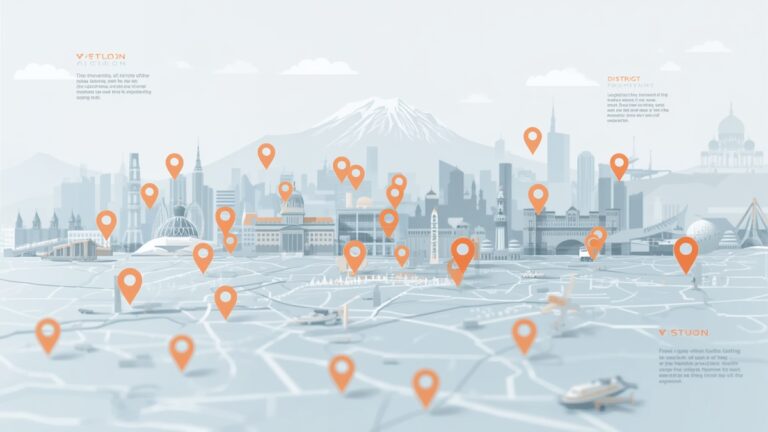
2. Map & Connect: Plot your destinations. Are they logically linked by train or short flight? Group nearby cities (e.g., Amsterdam-Brussels-Paris) to minimize travel time and carbon footprint.
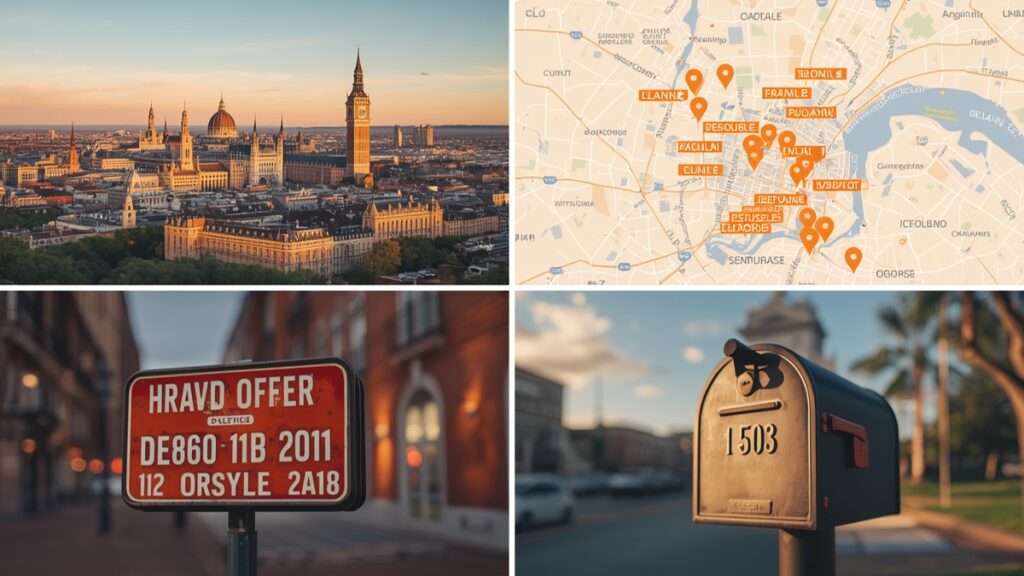
3. Logistics & Codes: For each city and specific attraction/area (like Rome’s districts), find its official postal/ZIP code. This is vital for:
* Accurate rental car or bicycle delivery.
* Filling out online visa/entry forms correctly.
* Shipping souvenirs home.
* Using precise location in ride-sharing apps.
4. Book & Secure: Lock in flights, accommodations (prioritizing locations near train stations), and major attractions/museums that require timed entry (e.g., Louvre, Colosseum). Purchase comprehensive travel insurance.
5. Finalize & Digitize: Confirm all reservations. Download offline maps and key documents. Share your itinerary and copies of important docs with a trusted contact. Pack your “supplies” from Phase 0.

Nutritional Benefits / Advantages: Why This Trip Feeds Your Soul
Travel to Europe isn’t just a vacation; it’s multi-layered enrichment:
- Cultural Vitamin A (Awareness): Immersing in different languages, arts, and histories broadens perspective and empathy.
- Historical Complex B (Background): Walking through centuries-old streets provides tangible context for the modern world.
- Social Vitamin C (Connection): Shared experiences with locals and fellow travelers combat isolation and build global friendships.
- Cognitive Omega-3 (Adaptability): Navigating unfamiliar systems and languages enhances problem-solving skills and mental flexibility.
- Adventure D (Discovery): The thrill of the unknown, trying new foods, and finding hidden piazzas releases dopamine and creates lifelong memories.
Tips or Advice: From a Seasoned Navigatorator
- Embrace Slow Travel: Spend 4-5 days in one city instead of 2. You’ll discover neighborhood gems and recover from jet lag.
- Learn Key Phrases: “Hello,” “Thank you,” “Do you speak English?” in the local language. It’s respectful and often yields warmer interactions.
- Book Major Things Early: For iconic attractions (Uffizi, Sagrada Familia, Vatican Museums), booking weeks or months online is non-negotiable.
- Use Rail Passes Wisely: A Eurail Pass is great for extensive, spontaneous train travel. For point-to-point, book individual tickets in advance for cheaper fares.
Respect Local Rhythms: Many European cities have a siesta* or late dinner culture. Plan downtime and adjust your meal times.
Common Mistakes & How to Avoid Them
1. Overpacking the Itinerary: Trying to see 10 cities in 10 days leads to burnout and superficial experiences. Fix: Prioritize depth over breadth.
2. Ignoring Postal Codes: Using a general city code (e.g., “Paris, France”) for deliveries can mean your package goes to a depot on the city’s outskirts. Fix: Always use the specific district ZIP code for your accommodation’s address.
3. Assuming Card-Only: While cards are widely accepted, many small cafes, markets, and negozi in Italy, Germany, and Eastern Europe are cash-only. Fix: Always carry €50-100 in local currency.
4. Not Validating Tickets: In countries like Italy and France, you must timestamp your paper train/bus ticket in the small machine before boarding. Unvalidated tickets incur heavy fines.
5. Disrespecting Dress Codes: Entering churches (especially in Italy, Spain, Greece) with bare shoulders or shorts can result in denied entry. Fix: Carry a large scarf or pashmina in your daypack.

Storage / Maintenance Tips: Protecting Your Journey
- Document Care: Use a RFID-blocking travel wallet for your passport and cards. Keep digital backups (cloud/email) of all documents, including the list of postal codes for your destinations.
- Tech Maintenance: A universal travel adapter with multiple USB ports is essential. Consider a portable hard drive or cloud storage for your thousands of photos.
- Clothing & Gear: Use packing cubes for organization. A small, foldable laundry bag separates dirty clothes. A lightweight rain jacket or umbrella is a must almost anywhere.
- Memory Management: Create a daily digital journal (notes app, blog) to capture fleeting impressions that photos alone can’t store.
Essential European ZIP Codes for Top Destinations (Table)
Here is a practical reference table of postal codes for 30 premier European cities and regions. Use these specific codes for precise logistics, shipping, and online forms.
| Destination | Country | Primary ZIP/Postal Code Range |
|---|---|---|
| Paris (City Center) | France | 75001 – 75020 |
| Rome (Historic Center) | Italy | 00100 – 00199 |
| London (Central) | UK | SW1A, EC1, W1 |
| Barcelona | Spain | 08001 – 08038 |
| Berlin (Mitte) | Germany | 10115 – 10119 |
| Amsterdam | Netherlands | 1011 – 1077 |
| Prague (Old Town) | Czechia | 110 00 |
| Vienna (Innere Stadt) | Austria | 1010 |
| Lisbon | Portugal | 1100-000 to 1250-000 |
| Budapest (Districts V, VI) | Hungary | 1051 – 1066 |
| Venice (San Marco) | Italy | 30124 |
| Florence | Italy | 50121 – 50138 |
| Dublin (City Center) | Ireland | D01 – D08 |
| Copenhagen (Indre By) | Denmark | 1050 – 1470 |
| Stockholm (Gamla Stan) | Sweden | 111 20 – 111 39 |
| Munich | Germany | 80331 – 80339 |
| Madrid (Centro) | Spain | 28001 – 28013 |
| Brussels (City of Brussels) | Belgium | 1000 – 1210 |
| Athens (Central) | Greece | 105 52 – 105 58 |
| Edinburgh (Old Town) | UK | EH1 – EH3 |
| Zurich | Switzerland | 8001 – 8006 |
| Krakow (Stare Miasto) | Poland | 31-001 – 31-053 |
| Porto | Portugal | 4000-000 to 4090-000 |
| Milan (City Center) | Italy | 20121 – 20124 |
| Seville | Spain | 41001 – 41013 |
| Nice | France | 06000 – 06300 |
| Hamburg (Altstadt) | Germany | 20354, 20095 |
| Dubrovnik (Old City) | Croatia | 20000 |
| Oslo (Sentrum) | Norway | 0010 – 0182 |
| Bath (City Center) | UK | BA1 1LQ |
Note: Some countries (like the UK and Italy) have highly specific, district-level codes. Always verify the exact code for your specific hotel or residence address.
Conclusion: Your Journey Starts with a Code
From the cobblestone alleys of Rome to the futuristic streets of Copenhagen, Europe is a living mosaic waiting to be explored. This guide has equipped you with more than just a list; it’s provided a strategic framework. By blending the allure of the europe travel destinations with the precise, practical knowledge of regional postal systems, you are now prepared to travel smarter. Remember, the magic is in the details—finding that perfect trattoria using a postal code, or having your hiking boots delivered to a remote Alpine lodge. So, take this blueprint, customize it with your own interests, and step into a continent where every postal code tells a story, and every journey enriches the soul. Your European adventure isn’t just about where you go, but how intelligently you get there.
Frequently Asked Questions (FAQs)
1. What is the absolute best time to visit Europe for first-timers?
For a great all-around experience targeting multiple regions, May-June or September-October are ideal. You’ll enjoy pleasant weather, manageable crowds, and often better prices than in peak summer.
2. Do I really need to know specific postal codes for travel?
Yes, increasingly so. For precise hotel/rental addresses, filling out detailed online visa/ETIAS forms, shipping purchases or souvenirs, and using advanced features in navigation or delivery apps, the specific district-level ZIP/postal code is essential.
3. How can I visit major European cities on a tight budget?
Prioritize Eastern European capitals (Prague, Budapest, Krakow) where costs for food, accommodation, and attractions are significantly lower. Use trains/buses instead of short-haul flights, stay in hostels or Airbnb outside the absolute city center, and take advantage of free museum days and walking tours.
4. Are there any “overrated” destinations I should skip?
“Overrated” is subjective, but some cities (like Venice or Barcelona) are extremely crowded in peak season. Consider visiting them in the shoulder seasons or exploring lesser-known alternatives nearby (e.g., Valencia instead of Barcelona for beaches, or Padua/Treviso instead of only Venice).
5. What’s the single most important piece of advice for a first European trip?
Slow down. Resist the urge to cram 5 cities into 7 days. Spending 4-5 days in 2-3 connected cities allows for deeper exploration, rest, and those spontaneous discoveries that make travel truly magical. Your goal is quality, not checklist quantity.


