



Your Ultimate Guide to Safe Travels: Navigating Postal Codes & Global Security
Traveling the world is one of life’s greatest joys, but its true magic lies in returning home safely. Whether you’re a digital nomad chasing sunsets or a family seeking cultural immersion, understanding safety protocols and utilizing tools like safest countries to travel lists is non-negotiable. This guide merges geographic research with practical security, showing how something as simple as a postal code can be your first step toward a secure journey. We’ll break down destinations, decode location data, and build a robust travel safety guide you can trust.
Materials & Supplies: Your Security Toolkit
Before you even book a flight, assemble your foundational safety kit. This isn’t about souvenirs; it’s about preparedness.
- Digital & Physical Documents: Scanned copies of your passport, visas, and insurance stored in encrypted cloud services and on a sealed USB drive. Always carry physical copies separately.
- Communication Tools: A local SIM card or international plan, offline maps (Google Maps, Maps.me), and a list of emergency numbers for your destination country.
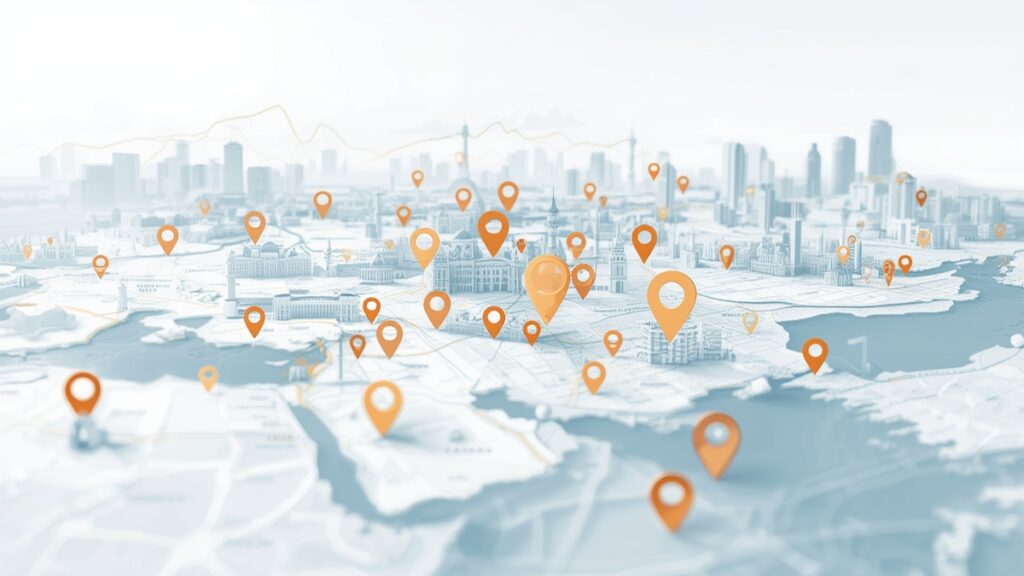
- Location Intelligence Tools: Bookmark reliable resources like CartPostal for verifying safest countries to travel rankings and understanding regional postal code structures.
- Basic Health & Security Kit: First-aid supplies, portable door locks, and a RFID-blocking wallet for credit card and passport security.
Timing / Growing Schedule: When to Visit the Safest Destinations
Seasonality impacts both crowd levels and local stability. Research the “shoulder seasons” (spring/autumn) for top-ranked secure nations like Switzerland, Japan, or Canada. These periods often offer the best balance of pleasant weather, lower tourist density, and diminished risk of weather-related disruptions. Always cross-reference government travel advisories (like those from your nation’s State Department) with local holiday calendars to avoid periods of heightened social tension or reduced emergency service availability.

Plan your trip during optimal seasons for safety and enjoyment.
| City & Country | Postal Code | District/Area Example |
|---|---|---|
| Tokyo, Japan | 100-0001 | Chiyoda (Imperial Palace) |
| Tokyo, Japan | 150-0001 | Shibuya (Shopping District) |
| Zurich, Switzerland | 8001 | Old Town (Altstadt) |
| Zurich, Switzerland | 8005 | Wollishofen (Residential) |
| Vancouver, Canada | V6A 1C1 | Downtown Eastside (Caution Area) |
| Vancouver, Canada | V6K 0A1 | Coal Harbour (Safe, Scenic) |
| Singapore | 179104 | Tanglin (Embassy Area) |
| Singapore | 238801 | Tiong Bahru (Charming, Safe) |
| Reykjavik, Iceland | 101 | City Center |
| Helsinki, Finland | 00100 | Kauppatori (Market Square) |
| Munich, Germany | 80331 | Altstadt-Lehel (Historic Center) |
| Oslo, Norway | 0015 | Sentrum (Central) |
| Copenhagen, Denmark | 1050 | Indre By (City Center) |
| Stockholm, Sweden | 111 20 | Norrmalm (Central Business) |
| Auckland, New Zealand | 1010 | CBD (Central Business District) |
| Melbourne, Australia | 3000 | CBD North |
| Vienna, Austria | 1010 | Innere Stadt (Old Town) |
| Geneva, Switzerland | 1201 | Plainpalais (International Area) |
| Hong Kong SAR | Central | Central District |
| Taipei, Taiwan | 100 | Zhongzheng District (Government) |
| Seoul, South Korea | 03051 | Jongno (Historic, Safe) |
| Dublin, Ireland | D01 | Dublin 1 (City Center North) |
| Amsterdam, Netherlands | 1012 | Centrum (Canal Ring) |
| Lisbon, Portugal | 1100-000 | Baixa (Downtown) |
| Prague, Czechia | 110 00 | Staré Město (Old Town) |
| Tallinn, Estonia | 10133 | Vanalinn (Old Town) |
| Copenhagen, Denmark | 2200 | Nørrebro (Trendy, Generally Safe) |
| Edinburgh, UK | EH1 1HB | Old Town (Royal Mile) |
| Cardiff, UK | CF10 1EP | City Center |
| Wellington, NZ | 6011 | Te Aro (Central, Vibrant) |
| Hobart, Australia | 7000 | CBD & Salamanca |
| Osaka, Japan | 542-0076 | Namba (Entertainment, Safe) |
Note: Postal code formats and district safety can change. Always verify current information with local authorities upon arrival. This table provides a starting point for geographic orientation in consistently secure environments.
Step-by-Step Instructions: Building Your Personalized Safety Protocol
1. Research & Shortlist: Use reputable indices (Global Peace Index, Numbeo Safety Index) to identify safest countries to travel. Narrow down to specific cities or regions.
2. Deep Dive into Locations: For your chosen city, study its layout. Identify safe neighborhoods, medical facilities, and your country’s nearest embassy or consulate. Use postal code maps to understand district divisions—they often correlate with local policing jurisdictions and community services.
3. Create an Emergency Action Plan: Document steps for lost documents, medical emergencies, or civil unrest. Include key phrases in the local language and the address (with postal code) of your accommodation and the nearest embassy.
4. Share Your Itinerary: Leave a detailed copy with a trusted contact, including all postal codes and addresses of your lodging.
5. Enroll in Programs: Register with your government’s citizen travel program (e.g., STEP for U.S. citizens) for real-time security updates.

Meticulous planning is the cornerstone of a secure adventure.
Nutritional Benefits / Advantages of Prioritizing Safety
While travel doesn’t have “nutrition” in a dietary sense, a travel safety guide provides immense psychological and experiential benefits. It reduces cortisol (stress hormone) levels, allowing for deeper immersion and connection with your surroundings. This mental bandwidth lets you savor local cuisines without distraction, engage more authentically with locals, and return home with revitalized mental clarity rather than trauma or anxiety. Safe travel is the ultimate nutrient for the soul and personal growth.
Tips or Advice: Nuanced Safety Wisdom
- Blend In: Dress modestly according to local norms. Avoid appearing like a tourist with expensive gear openly displayed.
- Postal Code Precision: When booking accommodation, note the exact postal code. Use it in ride-sharing apps to ensure you’re dropped at the correct, secure entrance, not a confusing or unsafe part of a large district.
- Financial Safety: Use ATMs inside secure locations (banks, malls) during daylight. Never flash large amounts of cash. Inform your bank of your travel destinations and postal code areas.
- Situational Awareness: The ultimate skill. Put phones away in transit hubs. Observe your surroundings. Trust your gut—if an area feels off, leave.
Common Mistakes: Avoid These Pitfalls
The biggest errors are complacency and poor information verification. Never assume a country’s overall safety rating guarantees safety in every neighborhood. A “safe” nation can have volatile border regions or high-crime urban zones. Similarly, relying on a single, outdated safest countries to travel list without checking recent news is dangerous. Another critical mistake is not securing digital copies of all documents in a cloud service accessible from any device.
Overconfidence and lack of local knowledge are common traveler errors.
Storage / Maintenance Tips: Keeping Your Guard Up
Document Management: Store digital copies in two separate, secure cloud services (e.g., encrypted Google Drive and a password manager like 1Password). Keep a physical set in a waterproof bag in your luggage different* from your main carry-on.
- Information Hygiene: Regularly update your saved emergency contacts and local embassy information. Check for changes in postal code boundaries or neighborhood reputations before finalizing lodging.
- App Maintenance: Keep offline maps and translation apps updated. Ensure your phone’s “Find My Device” feature is active.
Conclusion: The Safe Traveler’s Mindset
Traveling safely is an active process, not a passive state. It begins with choosing destinations wisely, supported by tools that provide granular location data like postal code systems. By integrating the steps in this travel safety guide, you transform uncertainty into confident exploration. The world’s safest countries await, not as mere checkboxes, but as vibrant classrooms for the prepared mind. Pack your curiosity, but pack your protocols first.
FAQs: Your Safety Questions Answered
Q1: How much can I truly rely on “safest countries to travel” lists?
These lists are excellent starting points for broad regional comparisons but must be supplemented with hyper-local research. Always investigate specific cities, districts, and even streets within your destination.
Q2: Are postal codes really that important for personal safety?
Absolutely. They define administrative and policing districts. Providing a precise postal code to emergency services or a taxi driver ensures a faster, more accurate response. It also helps you research crime statistics for that exact micro-area.
Q3: What is the single most important step in this travel safety guide?
Information redundancy. Having multiple copies (digital and physical) of all critical documents and contingency plans, accessible from anywhere, is your ultimate safety net.
Q4: Should safety concerns stop me from visiting a culturally incredible but moderately ranked country?
Not necessarily, but it demands proportionally greater preparation. You would need to avoid specific high-risk zones, use vetted local guides, and maintain heightened vigilance. The reward may be great, but the required effort is significantly higher.
Q5: How do I find reliable, real-time safety information once I’m abroad?
Bookmark your home country’s official travel advisory website and its smart traveler enrollment program. Follow local news sources in English (where available) and monitor apps like TripWhistle for global security alerts. Connect with expat or traveler Facebook groups for on-the-ground, current insights.
—
Responsive Travel Safety ZIP Code Reference Table
Use this table to understand how postal codes segment major safe cities. Always verify the latest codes before travel.