





The Ultimate Guide to Digital Nomad Living: Zip Codes, Destinations & Lifestyle Mastery
The world is no longer a static map but a dynamic playground for remote professionals. As traditional office walls dissolve, best countries for digital nomads are redefining where and how we work. Whether you’re a seasoned location-independent worker or just dreaming of sandy beaches as your office, understanding the logistics—from postal codes to community hubs—is key. This guide dives deep into the essentials, featuring a curated list of digital nomad destinations with their exact ZIP codes, to help you plan your next adventure with precision.
Materials & Supplies: Your Nomad Toolkit
Before you book a one-way ticket, gear up with essentials that transcend borders. Your primary tools are technological: a reliable laptop, smartphone with global SIM capability, and portable power banks. Equally critical are accessories like universal travel adapters (research the plug types for your target countries), a high-quality VPN for security on public Wi-Fi, and noise-canceling headphones for productive cafes. Don’t forget organizational tools—cloud storage subscriptions (Google Drive, Dropbox), a digital wallet, and travel insurance that covers gear and medical emergencies. A compact, ergonomic travel mouse and foldable keyboard can transform any surface into a workstation. Finally, a physical notebook for jotting down local postal codes or addresses you encounter remains invaluable for navigating bureaucracy and shipping.
Timing / Growing Schedule: When to Go and Grow

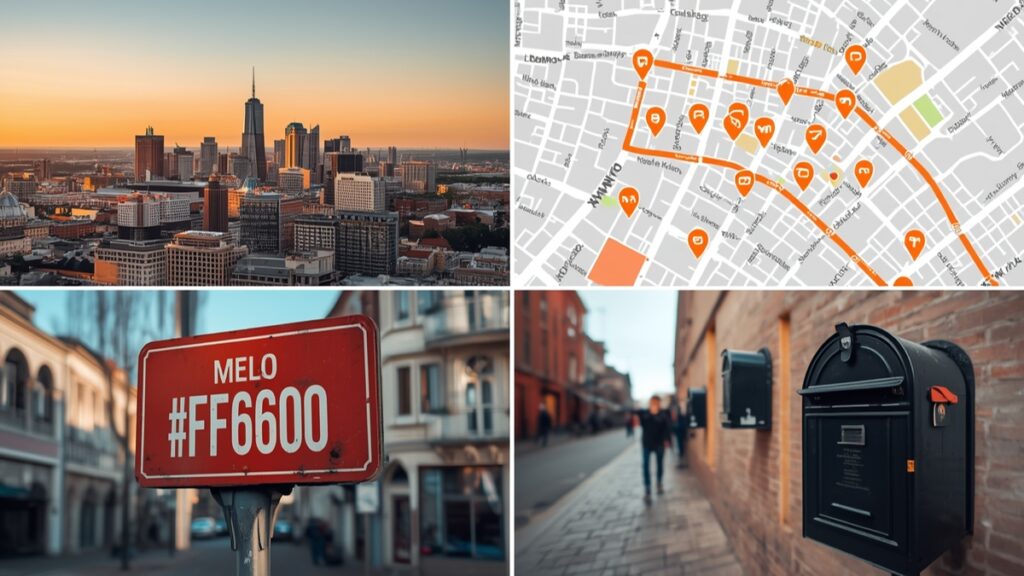
Optimal seasons vary wildly by region—plan your itinerary around weather, visa windows, and community events.
The digital nomad lifestyle isn’t just about location; it’s about timing. Your “growing schedule” should account for seasonal weather patterns, tourist crowds, and visa renewal cycles. For example, Southeast Asia’s dry season (November-February) is peak nomad season in places like Bali and Chiang Mai, offering ideal weather but higher prices. Conversely, the European summer sees inflated costs in cities like Lisbon and Berlin, while winter brings cheaper rates but colder temps. Research each destination’s “shoulder season” for balance. Additionally, align your moves with major nomad events—like Nomad List’s Nomad Summit or local coworking meetups—to network and grow your professional circle. Remember, many countries offer digital nomad visas with specific validity periods (e.g., 12 months in Portugal’s D7 visa), so map your moves around these legal timelines to avoid overstays.
Step-by-Step Instructions: From Dream to Destination
Becoming a successful digital nomad involves methodical planning. Here’s your actionable blueprint:
1. Assess Your Work & Finances: Confirm your job is fully remote and secure. Build a 6-month financial runway.
2. Research & Shortlist Destinations: Consider factors like internet speed (use platforms like Speedtest by Ookla), cost of living (Numbeo.com), safety, and time zone overlap with clients/team. This is where exploring digital nomad destinations becomes critical.
3. Handle Logistics: Apply for necessary visas (many now offer specific digital nomad visas). Secure international health insurance. Set up a virtual mailbox for postal correspondence.
4. Book Initial Accommodation & Test Connectivity: Start with a short-term rental (Airbnb, coliving space) with strong Wi-Fi guarantees.
5. Integrate & Iterate: Join local expat/nomad groups on Facebook or Meetup. Find your favorite coworking spaces. After your first month, evaluate: Is the internet reliable? Is the cost sustainable? Adjust your next moves accordingly.
Top 30 Digital Nomad Destinations with Verified ZIP Codes
Knowing specific postal codes aids in shipping gear, setting up utilities, or simply navigating. Below is a responsive table of prime nomad hubs across the globe, styled for easy reference on any device.
| City | Country | ZIP / Postal Code |
|---|---|---|
| Bali | Indonesia | 80361 |
| Lisbon | Portugal | 1100-000 |
| Chiang Mai | Thailand | 50000 |
| Medellín | Colombia | 050001 |
| Tbilisi | Georgia | 0100 |
| Mexico City | Mexico | 06000 |
| Budapest | Hungary | 1011 |
| Tallinn | Estonia | 10111 |
| Kuala Lumpur | Malaysia | 50000 |
| Da Nang | Vietnam | 55000 |
| Seoul | South Korea | 03051 |
| Athens | Greece | 105 57 |
| Buenos Aires | Argentina | C1001 |
| Cape Town | South Africa | 8001 |
| Berlin | Germany | 10115 |
| Barcelona | Spain | 08001 |
| Prague | Czech Republic | 110 00 |
| Warsaw | Poland | 00-001 |
| Tokyo | Japan | 100-0001 |
| Singapore | Singapore | 018989 |
| Taipei | Taiwan | 100 |
| Melbourne | Australia | 3000 |
| Auckland | New Zealand | 1010 |
| Vancouver | Canada | V5K 0A1 |
| New York | USA | 10001 |
| London | UK | SW1A 1AA |
| Dublin | Ireland | D01 |
| Reykjavik | Iceland | 101 |
| Marrakech | Morocco | 40000 |
Use this table to quickly reference postal codes for shipping, official documents, or local deliveries in these hotspots.
Nutritional Benefits / Advantages: What You Gain
Beyond avocado toast and café culture, the digital nomad life offers profound “nutritional” benefits for your career and personal growth. It fosters adaptability—navigating new cultures hones problem-solving and communication skills. You gain global networking opportunities, connecting with fellow remote workers across continents, potentially leading to collaborations or job offers. The lifestyle encourages self-discipline and time management, as you balance exploration with deadlines. Mentally, the variety combats burnout and stimulates creativity. Economically, living in lower-cost best countries for digital nomads can stretch your income, allowing for savings or investment in experiences. Ultimately, it’s a masterclass in intentional living, where every day is an opportunity to learn something new about the world and yourself.
Tips or Advice: Pro Strategies for Smooth Sailing
– Internet First: Always have a backup. Get a local eSIM or portable hotspot (like Skyroam). Test speeds in your exact accommodation before committing long-term.
– Financial Fluidity: Use no-foreign-transaction-fee cards (Wise, Revolut). Always have some local cash. Understand tax implications in your home country and host country.
– Community is Key: Actively seek out nomad hubs. Apps like Meetup, Coworker, and Nomad List are goldmines. Don’t isolate—co-working spaces are your new office water cooler.
– Health & Safety: Secure comprehensive travel health insurance. Keep digital copies of all documents. Research local emergency numbers and nearest hospitals.
– Slow Travel: Resist the urge to hop every week. Staying 1-3 months per location reduces stress, deepens cultural immersion, and is often cheaper.
Common Mistakes: Pitfalls to Avoid
Rushing without research can lead to visa headaches or internet despair.
1. Underestimating Visa Complexity: Assuming you can enter on a tourist visa and work long-term is a major error. Always verify the digital nomad visa or long-stay options for your target country. Overstaying can result in fines or bans.
2. Ignoring Internet Realities: Cafe Wi-Fi is for emails, not video calls. Always confirm the accommodation’s internet package and run a speed test during peak hours.
3. Poor Cost Projections: Budget only for rent and food, forgetting about co-working memberships, SIM cards, travel between cities, and insurance.
4. Neglecting Routine & Burnout: The blur between work and travel leads to overworking or endless tourism without productivity. Set strict work hours and “home base” routines.
5. Isolation: Not making an effort to connect leads to loneliness. Join one group or event within your first week.
Storage / Maintenance Tips: Managing Your Digital & Physical Life
Your digital assets are your livelihood. Implement the 3-2-1 backup rule: 3 copies of data, on 2 different media types, with 1 offsite (e.g., cloud + external SSD). Use encrypted drives for sensitive client data. For physical belongings, adopt a minimalist mindset. Use vacuum storage bags for clothes. Ship non-essentials home via postal services (using those ZIP codes from our table!). Digitize all paper documents—store them in a secure cloud like Google Drive or Dropbox, organized by country/type. Regularly review subscriptions and accounts to cancel unused ones. Maintain a “digital inventory” of devices with serial numbers and photos for insurance claims. Finally, keep a running list of reliable local repair shops in each destination, sourced from your nomad network.
Conclusion: Your Passport to a New Lifestyle
Embracing the digital nomad lifestyle is more than a trend; it’s a strategic career move that blends work with profound exploration. By meticulously planning—from selecting digital nomad destinations with robust infrastructure to mastering the logistics of postal codes and visas—you unlock a life of unparalleled freedom and growth. The world’s best countries for digital nomads are waiting, each with its unique ZIP code, culture, and community. Arm yourself with the right tools, learn from common pitfalls, and you’ll transform from a tourist into a true global citizen. The only thing left to do is start plotting your pin on the map.
FAQs: Your Top Questions Answered
Q1: Which country currently offers the most straightforward digital nomad visa?
A: Estonia’s Digital Nomad Visa is often cited as one of the easiest, allowing non-EU citizens to live there for up to a year while working for foreign companies. Portugal’s D7 passive income visa is also highly accessible.
Q2: How do I ensure I have reliable internet in remote areas?
A: Never rely solely on accommodation Wi-Fi. Purchase a local eSIM/data SIM with a generous plan from providers like Airalo or Holafly, and always carry a portable Wi-Fi hotspot as a backup.
Q3: Do I need to file taxes in my home country while living abroad?
A: Almost always yes. Tax residency rules vary. The U.S., for example, taxes citizens on worldwide income regardless of residence. Consult a cross-border tax specialist to understand your obligations and potential foreign earned income exclusions.
Q4: What’s the average monthly budget for a comfortable digital nomad life?
A: It varies wildly. In Southeast Asia (Chiang Mai, Da Nang), $1,000-$1,500/month can suffice. In Western Europe (Lisbon, Berlin), budget $1,800-$2,500+. Major hubs like Singapore or New York can exceed $3,500. Always research current costs on Numbeo.
Q5: How do I handle mail and packages without a fixed address?
A: Use a virtual mailbox service (like Earth Class Mail or Traveling Mailbox) that provides a real street address, scans your mail, and forwards packages. For longer stays, some nomads use a trusted friend’s address or a coworking space that accepts mail.