





Travel
Materials & Supplies
Before you even book a flight, your “supplies” are mostly digital and informational. A robust offline map app (like Maps.me or Google Maps offline feature) is non-negotiable. Equip it with downloaded city maps and save key locations by their exact addresses or postal codes. A reliable VPN for secure public Wi-Fi use, a portable power bank, and a physical backup of all important documents (hotel addresses, embassy contacts, insurance info) are essential. Organize these by destination, noting the specific postal codes for your accommodation’s neighborhood and main attractions. This creates a personal, code-based command center for your trip.
Timing / Growing Schedule
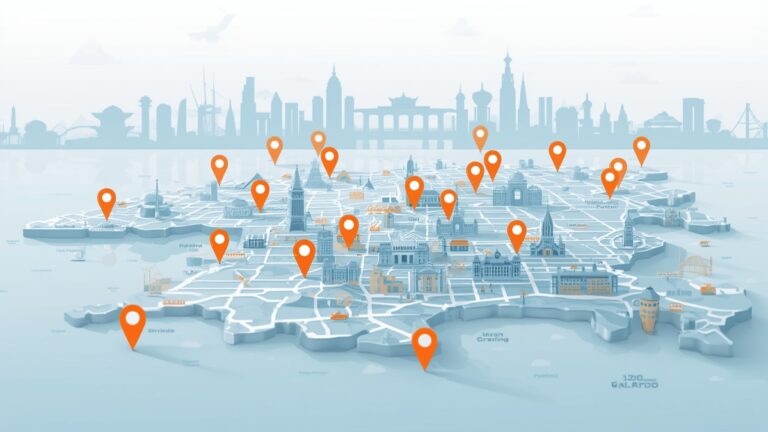

When to go is as crucial as where. “Growing schedule” here refers to your personal travel rhythm and seasonal considerations. Shoulder seasons (spring and autumn) often offer the best balance of pleasant weather, fewer crowds, and better prices—ideal for solo travel destinations. Research your target city’s postal code zones; some districts are quieter in winter but come alive in summer. Plan your itinerary not by rigid days, but by “zones.” Group activities by postal code districts to minimize transit time and maximize immersion. This geographic clustering turns a chaotic list of sights into a manageable, walkable adventure.
Step-by-Step Instructions

-
- Identify Your Core ZIP/Postal Code: Choose a central, safe, and well-connected neighborhood. For Tokyo, the 150-0001 (Shibuya) or 104-0061 (Ginza) codes are iconic starts. In Berlin, 10119 (Mitte) or 10999 (Kreuzberg) pulse with energy. Book your first accommodation within this code.
-
- Map Your “Solo Bubble”: Using your map app, plot a 1-2 mile radius from your base. Identify grocery stores, pharmacies, transit stops, and cafés within this zone. Save each location’s full address and postal code. This is your immediate comfort zone.
-
- Expand by District Code: Plan one major activity per day in a different adjacent postal code district. Note the exact code for your day’s destination. This prevents you from getting lost in translation and helps you use local ride-sharing or delivery apps efficiently.
-
- Build a Code Directory: Create a simple note on your phone: “City – District Name (Postal Code) – Key Spot (e.g., Museum, Café, Park).” This becomes your real-time reference, more precise than just a street name.
Nutritional Benefits / Advantages
This geo-focused approach “nutritionally” enriches your trip. Efficiency: You spend less time lost and more time experiencing. Safety: Sticking to well-defined, populated postal zones reduces risky situations. You’ll know which neighborhoods are lively in the evening (like 75001 Paris) and which are quieter after dark. Authenticity: Venturing by postal code encourages exploration beyond tourist hubs. You’ll find the bakeries, parks, and local shops that define a place, identified simply by their 5-digit code. Confidence: Mastery of your environment’s geographic language turns anxiety into assurance.
Tips or Advice
-
- Always verify a hostel or Airbnb’s postal code before booking. Cross-check it with a Google Street View to assess the neighborhood.
-
- When using local taxis or delivery services (like in Southeast Asia), have the exact postal code and full address written down. It’s more precise than a landmark name.
-
- Join local expat or traveler Facebook groups for your destination city. Ask for “recommendations in the 90210 area” (Beverly Hills) or “safe hostels near SW1A 1AA” (London, Buckingham Palace area). It’s a pro-level query.
-
- Learn the local term for “postal code” (e.g., postleitzahl in Germany, código postal in Spain).
Common Mistakes

-
- Overlooking the Power of the Code: Relying solely on vague neighborhood names (“the arts district”) instead of precise postal codes for navigation and services.
-
- Ignoring Zone Boundaries: Not realizing that a “safe” postal code might border a less-recommended one, especially at night. Always check adjacent codes.
-
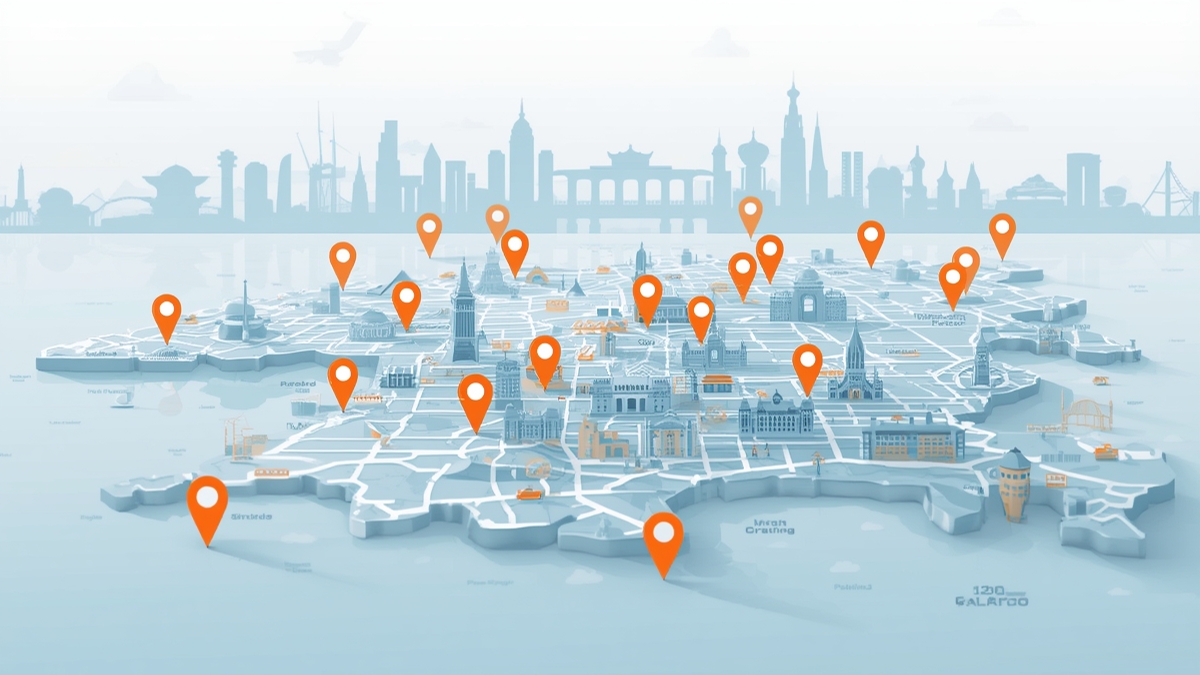
- Static Planning: Using the same postal code for every activity. This creates exhausting back-and-forth trips across the city. Cluster by zone.
-
- Assuming Global Uniformity: ZIP codes in the US are numeric. In the UK, they are alphanumeric (e.g., EC1A 1BB). In Tokyo, they are long numbers (e.g., 100-0001). Adapt your input method accordingly.
Storage / Maintenance Tips
Your digital “storage” of postal codes must be maintained. After each day, update your notes: add a new café’s code to your favorite list, note a tricky intersection, or flag a postal code area to avoid after dark. Back up your contact list and address directory to a cloud service. For long-term maintenance, consider creating a simple spreadsheet for future trips, categorizing postal codes by vibe (trendy, historic, residential) and your personal rating. This personal database becomes an invaluable asset for your next solo travel destinations.
Conclusion
Solo travel is the ultimate dialogue between you and the world. By arming yourself with the precise geographic language of your destination—its postal and ZIP codes—you shift from a passive tourist to an active navigator. You unlock efficiency, safety, and a deeper, more authentic connection to the places you visit. Whether you’re wandering the historic lanes of a 20002 (Washington D.C.) or the futuristic streets of a 060-0001 (Kyoto), understanding the code empowers you to write your own story. So choose your next code, pack your bags, and step into the adventure with confidence.
FAQs
1. Are postal codes really that important for solo travelers?
Absolutely. They are the most precise location identifier, crucial for using local maps, ride-hailing apps, delivery services, and giving clear directions. It eliminates language barriers in navigation.
2. How can I find the postal code for a specific attraction or hostel?
Use Google Maps. Right-click on the location pin and the full address, including the postal code, will appear. You can also search “[Attraction Name] address” directly.
3. What’s the single most important piece of advice for a first-time solo traveler?
Beyond the code: share your live location with a trusted contact daily. Use the geographic framework of postal codes to easily describe your whereabouts: “I’m exploring the 75004 (Latin Quarter) area of Paris today.”
4. Should I avoid certain postal code zones?
Research is key. Online travel forums and recent solo travel blogs often discuss specific districts. A general rule: areas with vibrant nightlife (like 90028 in Hollywood) are great but may be quieter and less well-lit in the early morning hours. Know your comfort zone and the zone’s rhythm.
5. Can this postal code method work in any country?
Yes. Every country with a formal postal system uses some form of code, whether numeric or alphanumeric. The principle of using it as your primary geographic anchor is universally applicable, from 10001 (New York) to SW1P 3EU (London, Victoria area).
Ready to Plan Your Journey?
Start by exploring our curated list of the world’s most welcoming best cities for solo travel, each broken down by neighborhood and postal code for seamless planning.
| Postal / ZIP Code | City | Country | Solo Travel Vibe | Key District / Area |
|---|---|---|---|---|
| 100-0001 | Tokyo | Japan | Ultra-safe, hyper-efficient, endless exploration | Chiyoda (Imperial Palace) |
| 150-0001 | Tokyo | Japan | Trendy, youthful, cafe & shopping heaven | Shibuya |
| 604-8001 | Kyoto | Japan | Peaceful, cultural, temple-laden lanes | Higashiyama (Gion) |
| 104-0061 | Tokyo | Japan | Upscale, sophisticated, nightlife | Ginza |
| 101-0021 | Tokyo | Japan | Anime/electronics hub, quirky & fun | Akihabara |
| 410-0001 | Shizuoka | Japan | Charming, slower pace, tea & Mt. Fuji views | Aoi-ku |
| 980-0001 | Sendai | Japan | Friendly, vibrant city with great food | Aoba-ku |
| 350-0001 | Kawagoe | Japan | Quaint historic town, “Little Edo” | Kawagoe-shi |
| 530-0001 | Osaka | Japan | Foodie paradise, energetic & welcoming | Kita-ku (Umeda) |
| 542-0076 | Osaka | Japan | Historic castle, vibrant street life | Chuo-ku (Dotonbori) |
| 060-0001 | Sapporo | Japan | Snow festivals, fresh seafood, beer culture | Chuo-ku |
| 101-0032 | Tokyo | Japan | Old Tokyo charm, artisan workshops | Taito-ku (Asakusa) |
| 160-0022 | Tokyo | Japan | International, tree-lined, expat hub | Shibuya (Daikanyama) |
| 112-0001 | Tokyo | Japan | Artistic, intellectual, cool cafes | Bunkyo-ku (Yanesen) |
| 130-0021 | Tokyo | Japan | Historic temple town, traditional crafts | Sumida-ku |
| 135-0071 | Tokyo | Japan | Hipster, street art, vintage shops | Koto-ku (Fukagawa) |
| 270-0161 | Chiba | Japan | Suburban charm, local festivals | Matsudo-shi |
| 372-0001 | Gunma | Japan | Onsen (hot spring) retreats, nature | Kusatsu-machi |
| 470-0001 | Aichi | Japan | Industrial heritage, Toyota museum | Nagakute-shi |
| 600-0001 | Kyoto | Japan | Central, temples, traditional markets | Nakagyo-ku |
| 810-0001 | Fukuoka | Japan | Youthful, incredible ramen, international airport | Hakata-ku |
| 150-0032 | Tokyo | Japan | Art galleries, cafes, quiet sophistication | Shibuya (Ebisu) |
| 103-0027 | Tokyo | Japan | Bustling fish market, old-town atmosphere | Tsukiji |
| 106-0032 | Tokyo | Japan | International, dining, proximity to parks | Minato-ku (Roppongi/Azabu) |
| 107-0062 | Tokyo | Japan | Luxury shopping, embassy district | Minato-ku (Aoyama) |
| 146-0081 | Tokyo | Japan | Family-friendly, green spaces, local life | Setagaya-ku (Sangenjaya) |
| 220-0012 | Yokohama | Japan | International port city, Chinatown, modern landmarks | Naka-ku (Minato Mirai) |
| 940-0001 | Toyama | Japan | Alpine views, traditional crafts, slow travel | Toyama-shi |
| 791-0001 | Matsuyama | Japan | Castle town, hot springs, literary history | Matsuyama-shi |
| 890-0001 | Kagoshima | Japan | Volcanic landscapes, fiery cuisine, outdoor onsen | Kagoshima-shi |
| 900-0001 | Naha | Japan | Tropical, unique Ryukyuan culture, beaches | Naha-shi (Kokusai-dori) |
Note: Postal codes can change or have sub-sections. Always verify with an official postal service or reliable mapping tool before finalizing travel plans.


