


Materials & Supplies
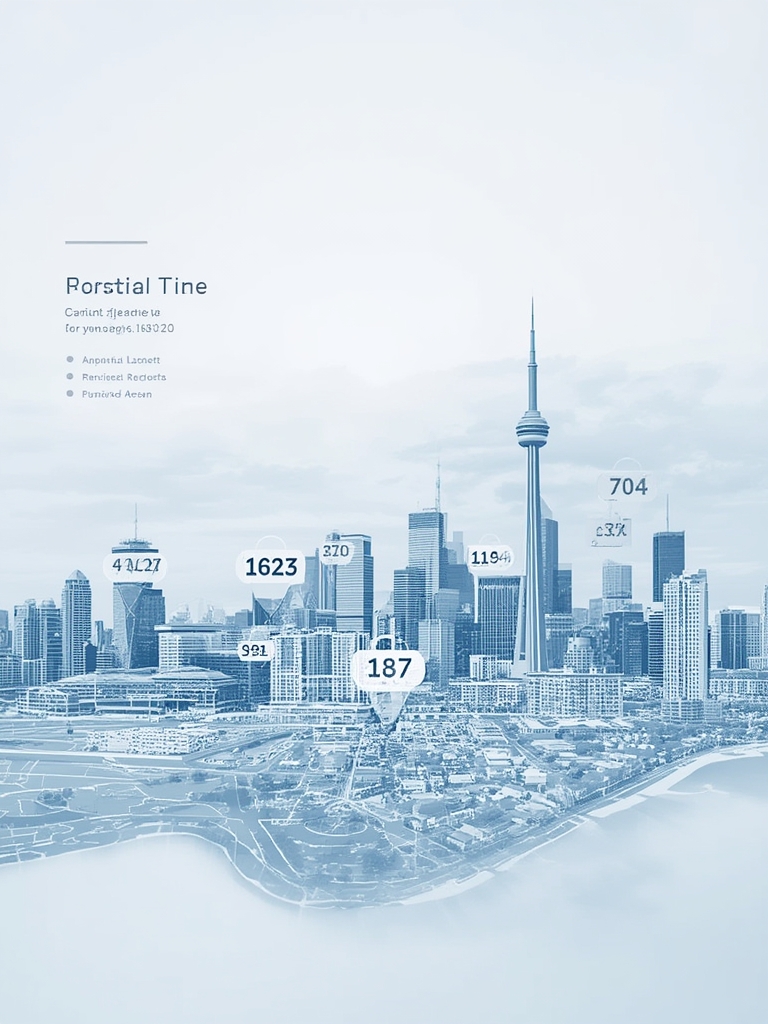
To effectively utilize Toronto’s addressing system during your travels, you’ll need a few key tools:
-
- A smartphone with internet access or offline maps: This is non-negotiable. Use apps like Google Maps, Apple Maps, or dedicated transit apps (Transit, Citymapper) that accept postal code searches.
-
- A reliable data source: A trusted website like Toronto postal codes database for initial lookups and cross-referencing.
-
- Physical city map (optional but recommended): A fold-out map from a tourist info booth often has postal code overlays for major areas, providing a great visual reference without battery drain.
-
- Notebook or note-taking app: Jot down specific codes for neighborhoods you plan to explore extensively (e.g., the Toronto ZIP code for Yorkville versus The Annex).
-
- List of key destinations: Have addresses, or at least neighborhood names, for your must-see locations pre-saved.
Timing / Growing Schedule
Preparation Time: Allocate 30-60 minutes before your trip to research the primary postal codes for the areas you’ll be staying in and visiting. This initial research pays exponential dividends in daily efficiency. Slot this into your pre-departure planning alongside booking accommodations and transit passes.
Expected Results & “Growth”: You’ll notice immediate improvements in your daily logistics. Ride-share drivers will have precise drop-off points, you’ll confidently use public transit stops aligned with your destination’s zone, and you’ll be able to filter restaurant and hotel searches geographically with precision. This “grows” your confidence in navigating like a local, reducing travel stress and increasing the time spent enjoying the city’s culture, food, and sights.
Step-by-Step Instructions
-
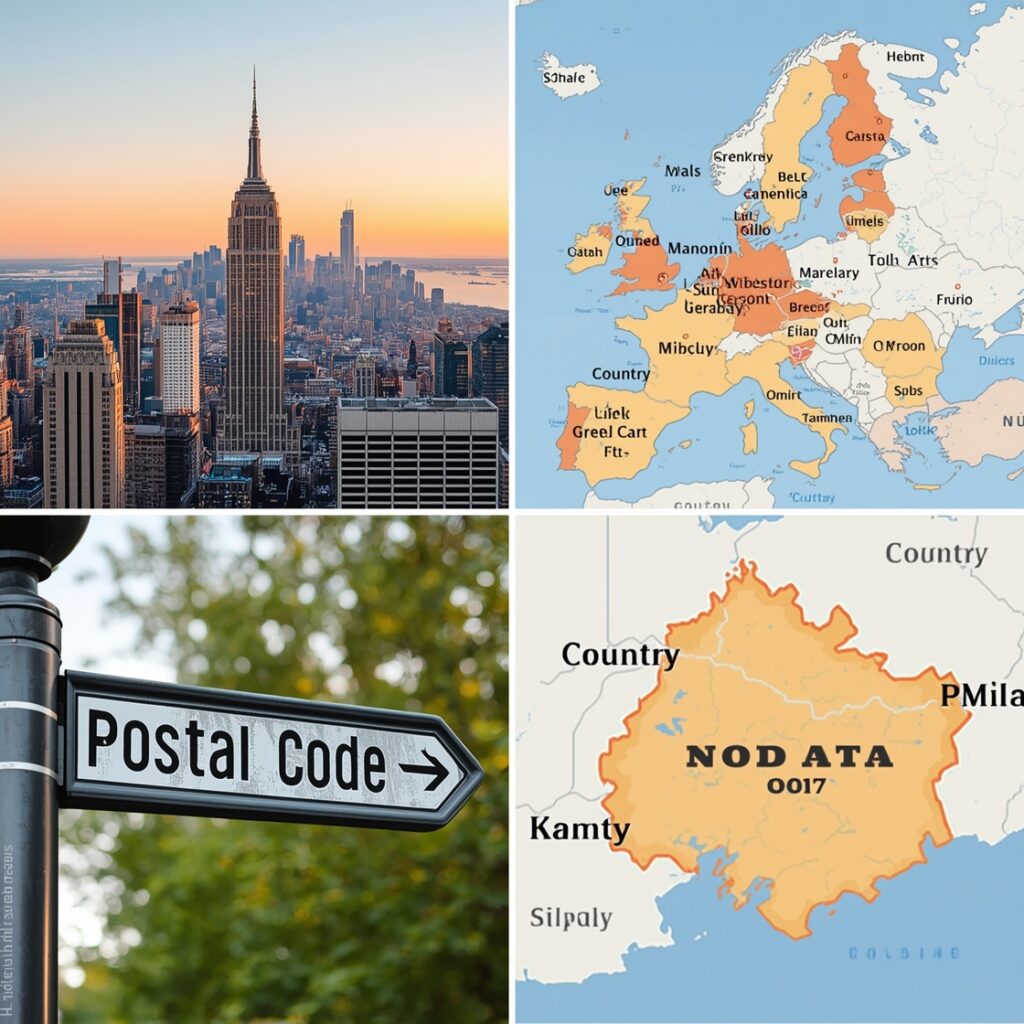
- Identify Your Base & Key Destinations: Determine the postal code for your hotel/rental and for 3-5 key attractions (CN Tower, Royal Ontario Museum, Kensington Market, etc.). Use a reliable lookup tool.
-
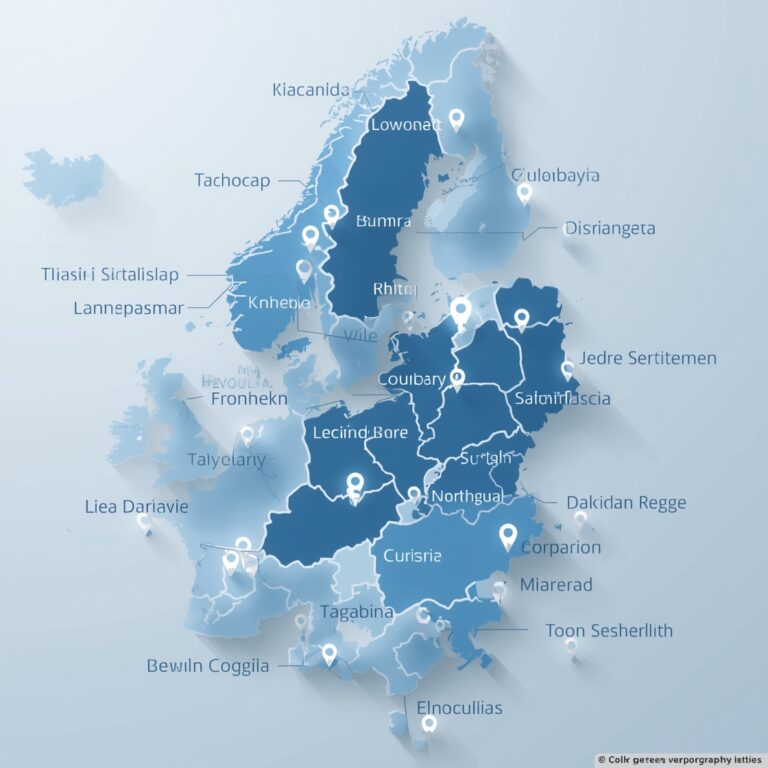
- Map Your Zones: Input these Toronto postal codes into your digital map. Visualize the clusters. You’ll see patterns—e.g., all downtown core attractions fall within ‘M’ prefixes, while suburban areas like Scarborough use ‘M1’. Note the Forward Sortation Area (FSA, the first three characters).
-
- Integrate with Transit Planning: For public transit (TTC), use the FSA to understand which neighborhood stations serve your destination. A code like M5V points to the Entertainment District and Harbourfront, served by Union Station and nearby streetcar lines.
-
- Program Your Navigation Apps: Save your key postal codes as custom addresses or “home” locations in your ride-share and map apps. This allows for one-tap navigation to complex addresses.
-
- Use Codes for Local Search: When looking for restaurants or shops, add the specific postal code or FSA to your search query (e.g., “best ramen M5T” for the Church-Wellesley area). This filters results to the precise micro-neighborhood.
-
- Confirm with the Toronto ZIP code for Deliveries: If you’re expecting package deliveries to your accommodation, provide the full six-character code to ensure accuracy.
Nutritional Benefits / Advantages
Mastering Toronto’s postal code system isn’t just about mail; it’s a nutritional boost for your travel experience:
-
- Efficiency & Time-Saving: Eliminate miscommunications with drivers and get precise directions, saving 10-15 minutes per trip that adds up over a week.
-
- Hyper-Local Discovery: Move beyond generic downtown searches. Use codes to find the best local institutions in specific cultural enclaves like Little Italy (M6J) or Greektown (M5T).
-
- Cost Reduction: Accurate codes prevent ride-share detours and ensure you’re dropped at the correct building entrance, not a block away.
-
- Reduced Anxiety: Navigating a new city is less stressful when your tools give you hyper-accurate information. You’ll feel in control and oriented.
-
- Cultural Context: Understanding the code patterns (e.g., M4 for much of the eastside, M6 for the west) gives you an instant geographic and often socio-economic lay of the land.
Tips, Alternative Methods, or Advice
-
- Leverage FSA Patterns: Learn the general FSA map. M1 is Scarborough, M2 is North York/East York, M3/M4 are the eastern downtown fringes, M5 is the core, M6 is the west end (Parkdale, Junction), M7 is the central business district core, M8/M9 are the western suburbs (Etobicoke, York).
-
- Use Postal Code APIs for Tech-Savvy Travelers: If building a custom itinerary, use a free postal code API to batch-convert neighborhood names to codes for mapping software.
-
- Ask Locals for Their “FSA”: Instead of “What neighborhood?”, ask “What’s your postal code?” or “What’s your FSA?”. It’s a quick, precise way to pinpoint where someone lives and instantly understand the area’s character.
-
- Combine with Bike Share Codes: Many Toronto Bike Share stations have names that include nearby streets or landmarks. Cross-referencing with the postal code of that landmark confirms the station’s exact zone.
Common Mistakes to Avoid
-
- Using Only the First Three Characters: While the FSA (e.g., M5V) defines a broad area, the full six-character code is needed for precise building-level navigation, especially in dense condos or large complexes.
-
- Confusing Street Types: “St.” (Street) and “Ave.” (Avenue) are perpendicular in the grid. A mistranscription here, even with a correct postal code, can lead to the wrong side of town.
-
- Assuming Uniformity Within an FSA: An FSA like M5S covers both the upscale Yorkville area and the southern edge of the University of Toronto. The vibe and amenities change drastically within a few blocks. Always verify the exact address.
-
- Not Updating for New Developments: Toronto’s skyline is constantly changing. New condo towers get new postal codes. If using an old static map, cross-check a key destination’s code on Canada Post’s own site.
-
- Over-Reliance on GPS Ignoring Codes: Sometimes GPS fails in “canyon” streets. Having the destination postal code memorized or saved allows you to verbally confirm a location with a shopkeeper or passerby (“I’m looking for M5E 2E4”).
Storage / Maintenance Tips
Your personalized postal code database is a asset. Maintain it by:
-
- Cloud Syncing: Ensure your note-taking app (Google Keep, Apple Notes, Evernote) syncs across devices so your saved codes are always available.
-
- Categorize by Trip Theme: Create separate lists: “Food Tour Codes” (M5V, M5A), “Museum Row” (M5S, M5T), “Accommodation Base.”
-
- Seasonal Updates: If you visit repeatedly, note if any codes change due to new Canada Post consolidations. A quick annual check of key areas is sufficient.
-
- Share with Travel Companions: Create a shared document or group chat with your curated list of essential postal codes for the group to reference.
Conclusion
Decoding Toronto’s postal and Toronto postal codes framework transforms you from a tourist into a strategic urban explorer. It’s the data-driven key that unlocks efficiency, authenticity, and confidence in a city of villages. By integrating these alphanumeric keys into your pre-trip research and daily navigation, you bypass tourist traps and connect with the city’s true pulse. Remember, the精髓 (essence) of Toronto lies in its distinct neighborhoods—each with its own prefix, personality, and postal identity. So before you land, do your homework on the codes. The final piece of advice is to embrace the system fully. For the most definitive and up-to-date reference, always consult the primary source for the official Toronto ZIP code registry. Your seamless, locally-enriched adventure awaits. Start mapping your codes today!
FAQs
- Q: Are “postal code” and “ZIP code” the same thing in Toronto?
A: Conceptually, yes—both are mail sorting codes. However, technically, Canada uses “postal codes” (alphanumeric, e.g., M5V 2L1), while the USA uses “ZIP codes” (numeric). Torontonians say “postal code,” but many international travelers search for “Toronto ZIP code.” The system itself is uniquely Canadian.
Q: How much of a difference can a single postal code make within a neighborhood?
A: Immensely. In the downtown core, changing one character can shift you from a bustling business district (M5V) to a quiet residential enclave (M5S) or a vibrant nightlife zone (M5J). Always use the full six-character code for precision.
Q: Can I use a postal code to find the nearest TTC subway station?
A: Indirectly, yes. You can look up the address of a subway station to get its postal code, then find accommodations or attractions within a 10-15 minute walk of that code. It’s a great way to ensure transit convenience.
Q: Are online postal code finders 100% accurate for Toronto?
A> Generally, yes for established addresses. However, for brand-new condominiums or recently re-zoned areas, there can be a delay between address registration and code assignment in third-party databases. For critical deliveries, always verify on the official Canada Post website.
Q: Do postal codes affect rental prices or tourism costs?
A: Absolutely. An M5S (Yorkville) code commands a premium over an M6J (Little Italy) or M4E (Riverdale) code, reflecting desirability, property values, and often the price of local amenities. Using codes helps you budget accurately for differentareas.
