





Navigate London Like a Local: The Essential Guide to Postal Codes & Must-See Spots
London’s labyrinthine streets are divided into a clever postal code system that’s more than just mail sorting—it’s a key to unlocking the city’s character. Whether you’re hunting for historic pubs in EC1 or vibrant markets in E1, understanding these districts transforms your trip. This guide decodes London’s postal geography while spotlighting the best places to visit in London. Forget getting lost; with our expert insights, you’ll navigate the capital with the confidence of a seasoned traveler, all while mastering the infamous London postal code.
30 Essential London Postal Codes & Their Districts
| Postal Code | Area / District | Notable Landmarks / Vibe |
|---|---|---|
| E1 | Whitechapel / Stepney | Brick Lane, street art, historic East End |
| E2 | Spitalfields / Bethnal Green | Old Spitalfields Market, hipster cafes |
| E3 | Bow | Bow Church, Victoria Park, artsy |
| E4 | Leyton | Leytonstone, diverse, green spaces |
| E5 | Clapton | Hackney Downs, independent shops |
| E6 | East Ham | East Ham Park, multicultural hub |
| E7 | Forest Gate | Wanstead Flats, community-driven |
| E8 | Hackney | Broadway Market, trendy, vibrant |
| E9 | Homerton | Hackney Marshes, residential calm |
| E10 | Leytonstone | Forest, indie cinema, village feel |
| E11 | Wanstead | Wanstead Park, suburban charm |
| E12 | Manor Park | Local markets, green spaces |
| E13 | Plaistow | West Ham Park, historic pubs |
| E14 | Canary Wharf / Docklands | Financial hub, modern skyscrapers |
| E15 | Stratford | Olympic Park, Westfield, transport nexus |
| E16 | North Woolwich / Silvertown | Riverfront, industrial heritage |
| E17 | Walthamstow | Walthamstow Market, arts scene |
| E18 | South Woodford | Suburban, leafy, family-friendly |
| EC1 | Clerkenwell / Farringdon | Tech hub, Smithfield Market, bars |
| EC2 | Moorgate / Liverpool Street | Financial district, historic churches |
| EC3 | Monument / Tower Hill | Tower of London, financial, touristy |
| EC4 | St. Paul’s / Fleet Street | St. Paul’s Cathedral, legal area |
| N1 | Islington | Upper Street, theatres, dining |
| N2 | Finchley | Jewish community, suburban |
| N3 | East Finchley | Village-like, independent cinema |
| N4 | Finsbury Park | Park, diverse, lively high street |
| N5 | Highbury | Arsenal Stadium, residential |
| N6 | Highgate | Historic, Highgate Cemetery, village |
| N7 | Holloway | busy, diverse, Emirates Stadium |
| N8 | Crouch End | Bohemian, indie shops, artsy |
Note: This table covers 30 core London postcodes (Area E, EC, N). For a full list of all 100+ London postcode districts, including NW, W, WC, SW, SE, consult the London postal code guide.
Materials & Supplies
Before diving into London’s postal maze, gear up with these essentials:
-
- Smartphone with Google Maps/Apple Maps: Offline maps saved beforehand.
-
- Oyster Card or Contactless Payment: For seamless Tube and bus travel across zones.
-
- Physical A-Z Street Atlas: Backup for when batteries die (available at any station).
-
- Notebook or Notes App: best places to visit in London Jot down postcodes of planned destinations—many London venues list their full postcode on websites.
-
- Portable Charger: Keep your navigation tools powered all day.
-
- Comfortable Walking Shoes: London’s best discoveries are often on foot between postcode borders.
Timing / Growing Schedule


London’s postal districts shine differently throughout the year. Here’s your seasonal cheat sheet:
-
- Spring (March–May): SW postcodes (like Chelsea and Kensington) burst with blooming gardens in Royal Parks. EC2’s historic pubs get cozy outdoor seating.
-
- Summer (June–August): SE1 (South Bank) buzzes with festivals; W1 (Mayfair) hosts outdoor screenings. Postcodes near the Thames are lively but crowded.
-
- Autumn (September–November): NW3 (Hampstead) and N6 (Highgate) offer stunning foliage in their village-like settings. Fewer tourists in October.
-
- Winter (December–February): WC2 (Covent Garden) and SW1A (Westminster) dazzle with Christmas lights. Book accommodations in EC districts early for New Year’s Eve.
Pro Tip: Always check the postcode of your hotel—it determines your nearest Tube line and travel costs (Zone 1 vs. Zone 2).
Step-by-Step Instructions

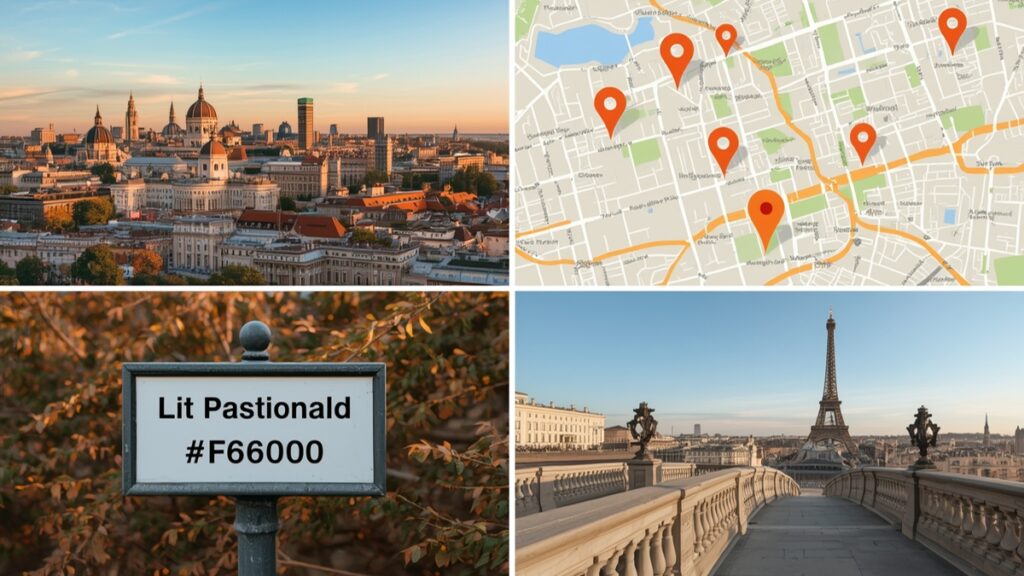
Using London’s postal codes is simpler than you think. Follow these steps to decode the city:
-
- Decipher the Format: A full London postcode looks like “SW1A 1AA.” The first part (SW1A) indicates the area and district (South West, district 1). The second part is the sector and unit for precise delivery.
- Identify the Area Letter(s):
-
- E: East London (trendy, diverse)
-
- EC: East Central (historic, financial)
-
- N: North (village vibes)
-
- NW: North West (bohemian, leafy)
-
- W: West (affluent, cultural)
-
- WC: West Central (legal, media)
-
- SW: South West (royal, touristy)
-
- SE: South East (creative, riverside)
- Use Postcode to Find Attractions: Search “best places to visit in London by postcode” to cluster visits by district. For example, EC1 packs St. Paul’s Cathedral, the Museum of London, and Smithfield Market within walking distance.
-
-
- Plan Your Route: Once you know a venue’s postcode, input it directly into your map app. It’s often more accurate than just the street name, especially in dense areas like WC1 (Bloomsbury).
-
- Understand Zone Implications: The first digit after the area letter often hints at the Travelcard Zone (e.g., SW1 is Zone 1; SE2 is Zone 2). This affects your journey time and cost.
Mastering this London postal code system means less time lost and more time exploring.
Nutritional Benefits / Advantages
Why bother with postal codes? The advantages are huge:
-
- Efficiency: Group attractions by postcode district to minimize travel. See all of EC3 (Tower Bridge, Monument) in one afternoon.
-
- Safety & Convenience: Reliable postcodes prevent taxi/Uber miscommunication. A driver knows exactly where “W1K 5TF” (Dover Street) is versus vague street names.
-
- Local Discovery: Postcodes reveal neighborhood vibes. N8 (Crouch End) is indie cafes; SE11 (Kennington) is historic pubs. Use this to find hidden gems beyond Big Ben.
-
- Accommodation Selection: Filter hotels by postcode on booking sites to stay in your preferred area (e.g., SW3 for upscale Kensington vs. E1 for vibrant East London).
Tips or Advice
-
- Always Write Full Postcodes: When asking for directions or booking a table, use the full 6–8 character code (e.g., “WC2B 5EH” for the Prince Charles Cinema).
-
- Postcodes Cross Boroughs: A single postcode can span two London boroughs. Check the district letter for a general area sense.
-
- Use “Postcode Finder” Tools: Websites like Royal Mail’s Postcode Finder confirm exact districts and boundaries.
-
- Zone 1 is Crowded: While SW1A (Buckingham Palace) is iconic, base yourself in adjacent Zone 2 postcodes (like SE1) for better value and quieter stays.
Common Mistakes

Avoid these pitfalls:
-
- Confusing EC vs E: EC is Central (St. Paul’s), E is East (Shoreditch). Mixing them up sends you miles away.
-
- Ignoring the Second Letter: “W1” is Mayfair, “W2” is Bayswater—totally different vibes. Always note the full district code.
-
- Overlooking “London” in Addresses: Some outer postcodes (like BR1 for Bromley) aren’t central. Ensure your destination’s postcode starts with E, EC, N, NW, W, WC, SW, or SE for core London.
-
- Relying Solely on GPS: In alleys or large estates (e.g., WC1H in Senate House complex), a postcode may center on a building, not the entrance. Cross-check with landmarks.
Storage / Maintenance Tips
-
- Create a Digital “Postcode Journal”: Use an app like Notion or Google Sheets to log attractions, restaurants, and hotels with their full postcodes. Tag by district (e.g., #SE1).
-
- Screenshot Important Postcodes: Save screenshots of venue postcodes from their websites in case of poor signal.
-
- Print a Mini-Map: Sketch the core postcode districts (EC, WC, SW, etc.) on a small card for quick reference.
-
- Update Regularly: Postcodes rarely change, but new developments (like E20 for Stratford City) emerge. Verify with official sources if unsure.
Conclusion
London’s postal code system is your secret weapon for a seamless adventure. By grasping the district codes, you’ll not only navigate with ease but also uncover the city’s diverse personalities—from the historic lanes of EC4 to the creative energy of E8. Whether you’re plotting a路线 for the best places to visit in London or simply finding your way back to your B&B, this knowledge empowers you to travel like a local. So next time you plan a trip, start with the postcode—it’s the first step to a richer, more efficient London experience. And remember, every iconic corner, from WC2’s theatres to NW1’s markets, is just a postcode away.
FAQs
1. What’s the difference between London postcodes and ZIP codes?
London postcodes are alphanumeric (e.g., SW1A) and far more precise, often pinpointing a small cluster of addresses. U.S. ZIP codes are purely numeric and cover larger areas.
2. Are all London postcodes within the city limits?
No. Surrounding areas like Croydon (CR0) or Romford (RM1) use different area codes. Genuine London postcodes start with E, EC, N, NW, W, WC, SW, SE.
3. How can I find a place’s postcode if it’s not listed?
Use the Royal Mail Postcode Finder (online) or simply type the address into Google Maps—it will show the full postcode.
4. Do postal codes affect public transport costs?
Yes. Transport for London charges based on Travelcard Zones, which loosely align with postcode districts. Zone 1 (most central postcodes like SW1, WC2) is more expensive than Zone 4+.
5. Can I rely solely on postcodes for navigation?
Mostly, but in complex buildings (hospitals, universities) the postcode may center on a main entrance. Always have a nearby landmark as backup.


