







The Ultimate Guide to Tropical & Beach Destinations: ZIP Codes, Planning & Paradise
Materials & Supplies
Before you even book your flight, a checklist is crucial. For a tropical getaway, your “materials” extend beyond sunscreen and swimsuits. Think in terms of documentation, tech, and protection.
-
- Essential Documentation: Passport (with 6+ months validity), visas if required, travel insurance papers, printed hotel confirmations, and a list of emergency contacts.
-
- Tech & Connectivity: Unlocked smartphone, international SIM card or eSIM plan, portable power bank (solar-powered is a plus), waterproof phone case, and plug adapters (check the destination’s voltage).
-
- Health & Safety: Prescription medications (in original containers), basic first-aid kit, antihistamines, anti-diarrheal medicine, and any region-specific prophylactics (consult a travel clinic).
-
- Beach & Travel Gear: Reef-safe sunscreen (SPF 50+), quick-dry towel, wide-brimmed hat, UV-protective sunglasses, reusable water bottle, dry bag, and a lightweight cover-up.
Timing / Growing Schedule
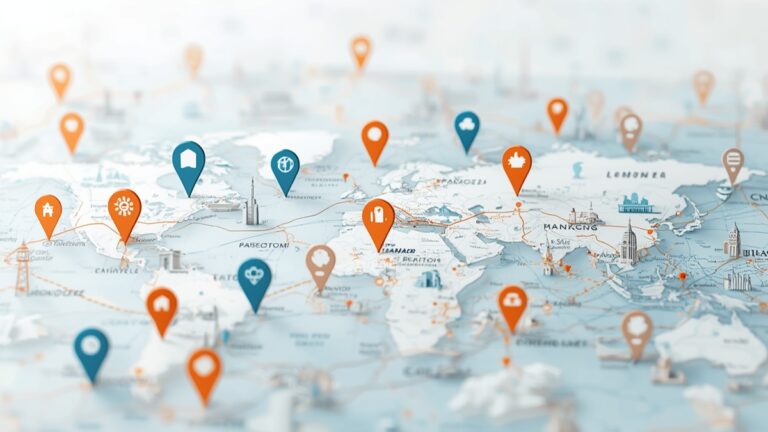
Just as a gardener plants according to season, the savvy traveler plans around climate patterns. The “growing season” for your perfect beach holiday is dictated by dry seasons, hurricane/cyclone periods, and peak tourist waves.

-
- High Season (Peak): December – April in the Caribbean/Mexico; June – August in Europe/Mediterranean. Pros: Best weather. Cons: Highest prices, crowds.
-
- Shoulder Season (Sweet Spot): May – June, September – October (Caribbean); April – May, September – October (Mediterranean). Pros: Good weather, fewer crowds, moderate prices.
-
- Low Season (Green Season): July – November (Caribbean – hurricane risk); November – March (Southeast Asia – rainy season). Pros: Lowest prices, authentic experience. Cons: Weather volatility, some closures.
-
- Special Considerations: Research monsoon patterns for Asia/Africa and cyclone seasons for the South Pacific. Always check historical weather data for your specific target island.
Step-by-Step Instructions
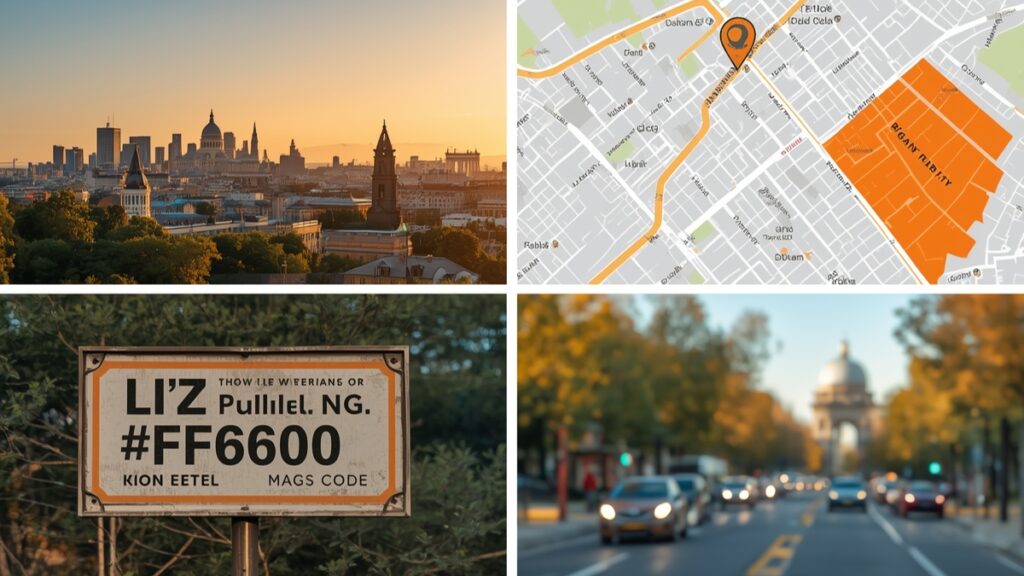
Follow this blueprint to transform your dream into a booked itinerary, incorporating the crucial use of geographic codes.

-
- Define Your “Why”: Relaxation? Adventure? Culture? This narrows down regions. For world-class diving, think Australia’s Great Barrier Reef or the Maldives. For surfing, Indonesia or Hawaii.
-
- Research & Select 3-5 Candidate Countries/Islands. Use resources like best beach destinations listicles and country guides. Pay attention to logistical details like flight availability and visa requirements.
- Pinpoint the Exact Locale. Once you choose a country, drill down to the specific island, coast, or town. This is where ZIP codes and postal codes become critical. They are used for:
-
- Accurate hotel and villa booking forms.
-
- Shipping souvenirs or essential items ahead of your trip.
-
- Renting a car (some companies require a local address).
-
- Setting accurate location services on travel apps.
- Verify and Record Codes. Use our comprehensive table below or official postal service websites. Note that many small islands or districts within a tourist zone may share a code.
-
-
- Book Core Travel. Flights and accommodation. Use the specific town/postal code for the hotel’s address to avoid misdelivery of confirmations.
-
- Arrange Supporting Logistics: Travel insurance, airport transfers, local SIM, activity reservations.
-
- Final Prep: Notify bank, arrange pet/plant care, pack according to climate schedule, and make copies of all documents including the page with your destination’s postal code for reference.
Nutritional Benefits / Advantages
While you won’t eat a ZIP code, the benefits of traveling to these locales are nourishing for the soul and body best beach destinations.
-
- Mental Reset: The “blue space” effect of the ocean reduces stress, anxiety, and promotes mental clarity.
-
- Vitamin D Boost: Abundant sunshine (with responsible exposure) increases Vitamin D levels, improving mood and bone health.
-
- Physical Activity: Swimming, snorkeling, beach walking, and paddleboarding are low-impact, full-body exercises.
-
- Cultural Nutrition: Exposure to new foods (fresh seafood, tropical fruits, local spices) diversifies your diet and palate.
-
- Perspective & Growth: Stepping outside your daily routine into a new environment fosters creativity and problem-solving skills.
Tips or Advice
-
- Book Early for Peak Season: Top resorts and flights sell out 6-9 months in advance for prime times.
-
- Consider All-Inclusive for Budgeting: Great for families or those wanting a predictable expense, but research the quality of food/drinks.
-
- Learn Key Local Phrases: A simple “hello” and “thank you” in the local language goes a very long way.
-
- Respect Local Customs & Environment: Dress modestly when away from the beach, avoid single-use plastics, and never touch or stand on coral.
-
- Get Travel Insurance: Specifically one that covers medical evacuation and trip cancellation. Healthcare standards vary greatly.
-
- Embrace “Island Time”: The pace is often slower. Patience is a virtue; rushing will only cause stress best beach destinations.
Common Mistakes
Avoid these pitfalls that can turn paradise into a stressful ordeal.

-
- Ignoring Hurricane/Cyclone Alerts: Even in the dry season, storms can occur. Have a flexible cancellation policy and monitor forecasts.
-
- Overpacking: You’ll live in swimwear and a cover-up. Pack light, versatile clothing. Leave thevaluables at home.
-
- Not Researching Beach Types: A “beach” can be rocky, volcanic, have strong currents, or be a wave-free lagoon. Match the beach to your activity (swimming vs. surfing).
-
- Assuming All-Inclusive Means Everything: Check what’s included. Often, premium dining, certain watersports, and guide services cost extra.
-
- Forgetting About Transit Time: That amazing remote beach may require a 90-minute transfer on a rough road. Factor this into your energy levels and daily plans.
-
- Neglecting Local Postal Code Research: Using a generic city code for a specific resort area can lead to logistical hiccups with deliveries or official forms.
Storage / Maintenance Tips
Your travel gear needs care too.
-
- Pre-Trip Gear Check: Test luggage wheels, locks, and dry bags. Reapply waterproofing spray to bags.
-
- Saltwater Rinse: Always rinse swimwear, snorkel gear, and beach bags with fresh water after use to prevent salt corrosion and fabric degradation.
-
- Proper Storage: Store fabrics in a cool, dry place away from direct sunlight to prevent fading and mildew.
-
- Digital Organization: Store scanned copies of all documents, insurance details, and a master list of destination postal/ZIP codes in a secure cloud folder accessible offline.
-
- Recharge & Refresh: After your trip, clean all gear thoroughly. Check electronics for sand, and let everything dry completely before storing to prevent mold and corrosion.
Responsive ZIP Code Table for Top Tropical Travel Destinations
Use this table for reference when booking activities, shipping items, or filling out forms. Codes are subject to change; always verify with the local postal service if precision is critical.
| Country / Territory | Destination / Region | Typical ZIP / Postal Code Format | Example Code |
|---|---|---|---|
| Aruba | Oranjestad | 3 letters, 2-3 digits | No postal code system (uses street addresses) |
| Australia | Queensland (Gold Coast) | 4 digits | 4217 (Surfers Paradise) |
| Bahamas | Nassau | No universal ZIP | Uses PO Boxes (e.g., Nassau) |
| Barbados | Bridgetown | No ZIP code | Uses addresses only |
| Bermuda | Hamilton | 2 letters, 2 digits | HM 12 |
| British Virgin Islands | Road Town, Tortola | No ZIP code | Uses addresses |
| Cayman Islands | George Town, Grand Cayman | No ZIP code | Uses addresses |
| Cook Islands | Avarua, Rarotonga | No ZIP code | Uses addresses |
| Curacao | Willemstad | No universal ZIP | Uses street addresses |
| Dominican Republic | Punta Cana | 5 digits | 23000 |
| Fiji | Nadi / Denarau | No universal ZIP | Uses addresses/PO Boxes |
| French Polynesia | Papeete, Tahiti | 5 digits | 98713 |
| Grenada | St. George’s | No ZIP code | Uses addresses |
| Guam | Tumon, Hagatna | 5 digits (US ZIP) | 96910 (Tumon), 96932 (Hagatna) |
| Hawaii, USA | Honolulu, Oahu | 5 digits (US ZIP) | 96815 (Waikiki) |
| Hawaii, USA | Lihue, Kauai | 5 digits (US ZIP) | 96766 |
| Hawaii, USA | Kona, Big Island | 5 digits (US ZIP) | 96740 |
| Jamaica | Montego Bay | No universal ZIP | Uses addresses/PO Boxes |
| Maldives | Malé | No ZIP code | Uses addresses |
| Mauritius | Port Louis | No ZIP code | Uses addresses |
| Mexico | Cancún, Riviera Maya | 5 digits (C.P.) | 77500 (Cancún center) |
| Mexico | Los Cabos | 5 digits (C.P.) | 23450 (San José del Cabo) |
| Micronesia | Kolonia, Pohnpei | No ZIP code | Uses addresses |
| New Caledonia | Nouméa | No ZIP code | Uses addresses |
| Northern Mariana Islands | Saipan | 5 digits (US ZIP) | 96950 |
| Palau | Koror | No ZIP code | Uses addresses |
| Puerto Rico | San Juan | 5 digits (US ZIP) | 00901 (Old San Juan) |
| Saint Lucia | Castries | No ZIP code | Uses addresses |
| Seychelles | Victoria, Mahé | No ZIP code | Uses addresses |
| US Virgin Islands | Charlotte Amalie, St. Thomas | 5 digits (US ZIP) | 00801, 00802, 00803 |
| Vanuatu | Port Vila | No ZIP code | Uses addresses |
Note: Many small island nations and territories do not use a conventional ZIP/postal code system, relying instead on street addresses and PO Box numbers. Always confirm with your accommodation or local contacts.
Conclusion
From the windward coasts of the Caribbean to the serene atolls of the Pacific, the world’s best beach destinations offer an unparalleled escape. Success lies in the details—understanding local geography, respecting seasonal patterns, and mastering small but essential administrative elements like the correct postal or ZIP code. This knowledge transforms a simple vacation into a flawlessly executed adventure. As you plan your next journey, remember that the magic is in the mixture: the thrill of discovery paired with the security of preparation. May your path always lead to warm sands and crystal waters, guided by the insights needed to navigate both the map and the mailbox. For endless inspiration, continue to explore the vast directory of tropical travel destinations that await.
Frequently Asked Questions (FAQs)
1. Do I really need a ZIP code for a hotel booking in the Caribbean?
Often, yes. Many international booking platforms and some local services require a postal/ZIP code. For territories that don’t use them (like many Caribbean islands), you can often use “00000” or the main town’s code (e.g., “NAS” for Nassau, Bahamas as a placeholder), but always check the specific site’s guidelines. Your hotel concierge can provide the correct local addressing format.
2. What is the single most important factor when choosing a beach destination?
It’s highly personal, but aligning the destination with your primary goal is paramount. If you want calm, swimming-focused waters, research the specific beach’s exposure to open ocean swells. If you want nightlife and convenience, look at developed resort areas. Let your priority—be it family safety, diving, surfing, or solitude—dictate the region and specific beach you choose.
3. Is travel insurance really necessary for a tropical beach trip?
Absolutely. Standard health insurance often does not cover you overseas, and medical evacuation from a remote island can cost tens of thousands of dollars. A comprehensive policy also covers trip cancellation, lost luggage, and emergency medical care. It is a non-negotiable expense for a stress-free trip.
4. How far in advance should I book a trip to peak season in the Maldives or Bora Bora?
For ultra-exclusive, high-demand destinations during their peak season (typically December to April), booking 9 to 12 months in advance is highly recommended. This secures not only the best villa categories (overwater bungalows) but also favorable flight connections and potential early-bird discounts.
5. What’s a common packing mistake people make for tropical beach vacations?
Overpacking on “evening wear.” Resort wear is casual. A few nice sundresses, polo shirts, and linen trousers are sufficient for dinner. Focus instead on packing high-SPF reef-safe sunscreen, a versatile sarong, and quick-dry fabrics. Your space and energy are better saved for souvenirs.


